


How to Build a Restaurant Brand Strategy Guests Can Actually Experience

Updated: Sep 24
Brand strategy is a decision about the visit
Words such as modern, premium and welcoming barely define a position. They do not explain why a guest should choose the business for a particular occasion. A restaurant brand strategy becomes useful when it guides decisions: Which visits do we want to deliver especially well? What should guests expect? Which offers or behaviours would contradict that role?
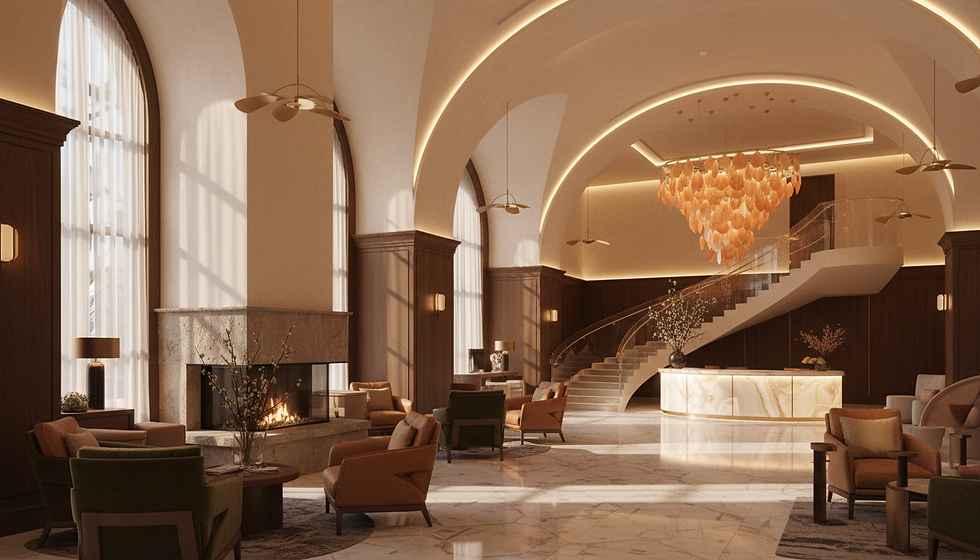
From positioning to operations
Positioning remains abstract while it lives only in a brand document. A quick business lunch requires different signals from a long evening for two. Menu logic, booking, table spacing, acoustics, service pace and payment should support the chosen situation. This is how brand identity becomes visible in daily operations without asking the team to repeat a slogan.
An emotional signature is not decoration
An emotional signature consists of recurring features that carry the same meaning. It may appear in the way guests are welcomed, a clear approach to product selection or a room designed for conversation. No single detail needs to be spectacular. What matters is whether several details confirm the same expectation.
Consistency requires leadership
Time pressure, changing teams and short-term promotions create variation. The team therefore needs to understand which quality must be protected and what it looks like in a real situation. A broad instruction such as “personal service” is not enough. Appropriate behaviour needs to be clear for different types of visit.
Quick answers
What belongs in a restaurant brand strategy? A clear role for particular guests and occasions, translated into decisions about offer, space, service, communication and price. How can identity be measured? Through observable guest behaviour and operating metrics when the baseline and time period are defined.
Next step
Review one typical visit from the first digital contact to the farewell. Where does every decision carry the same story, and where does positioning remain a claim without operational support?


